.jpg)
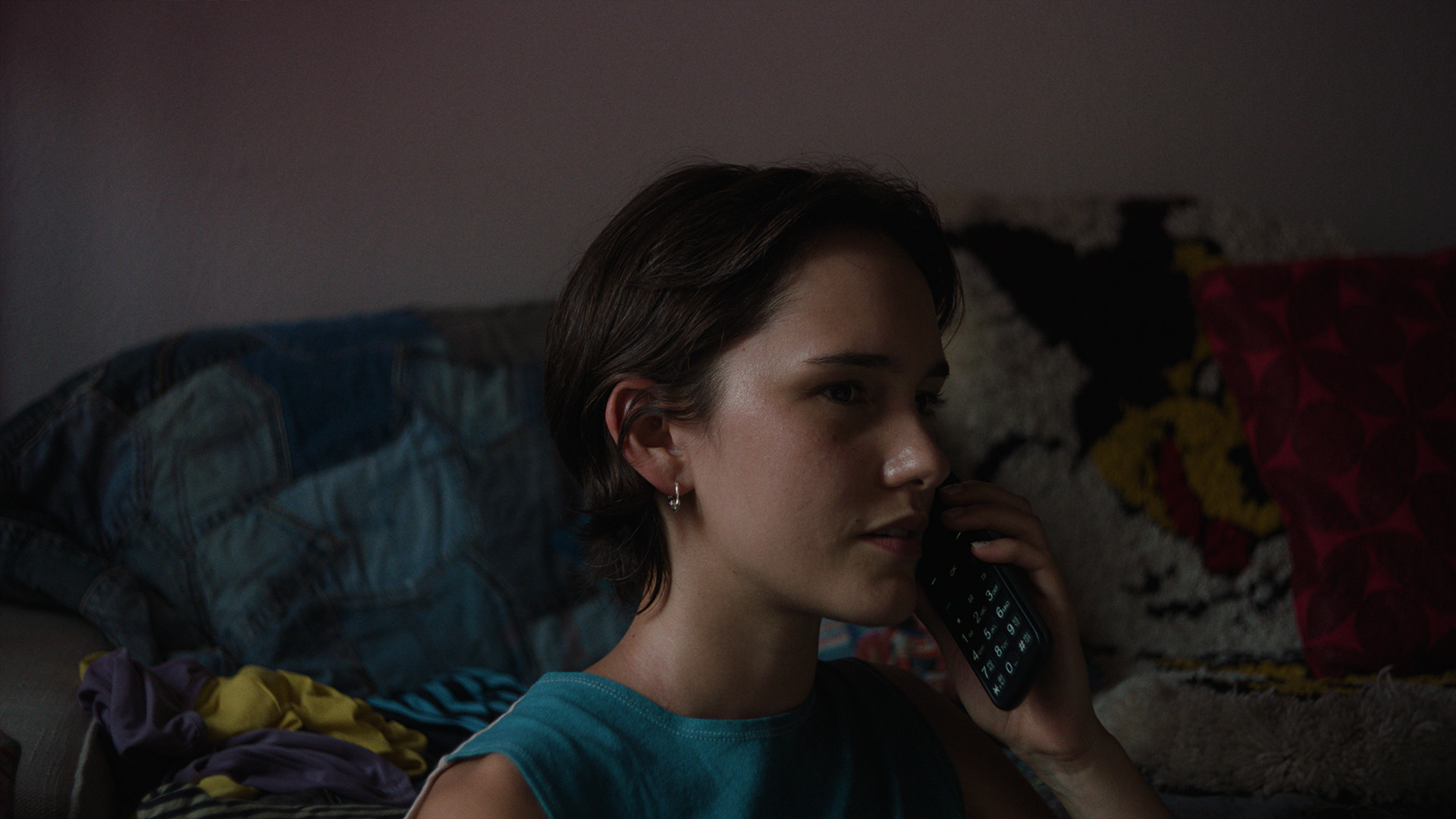
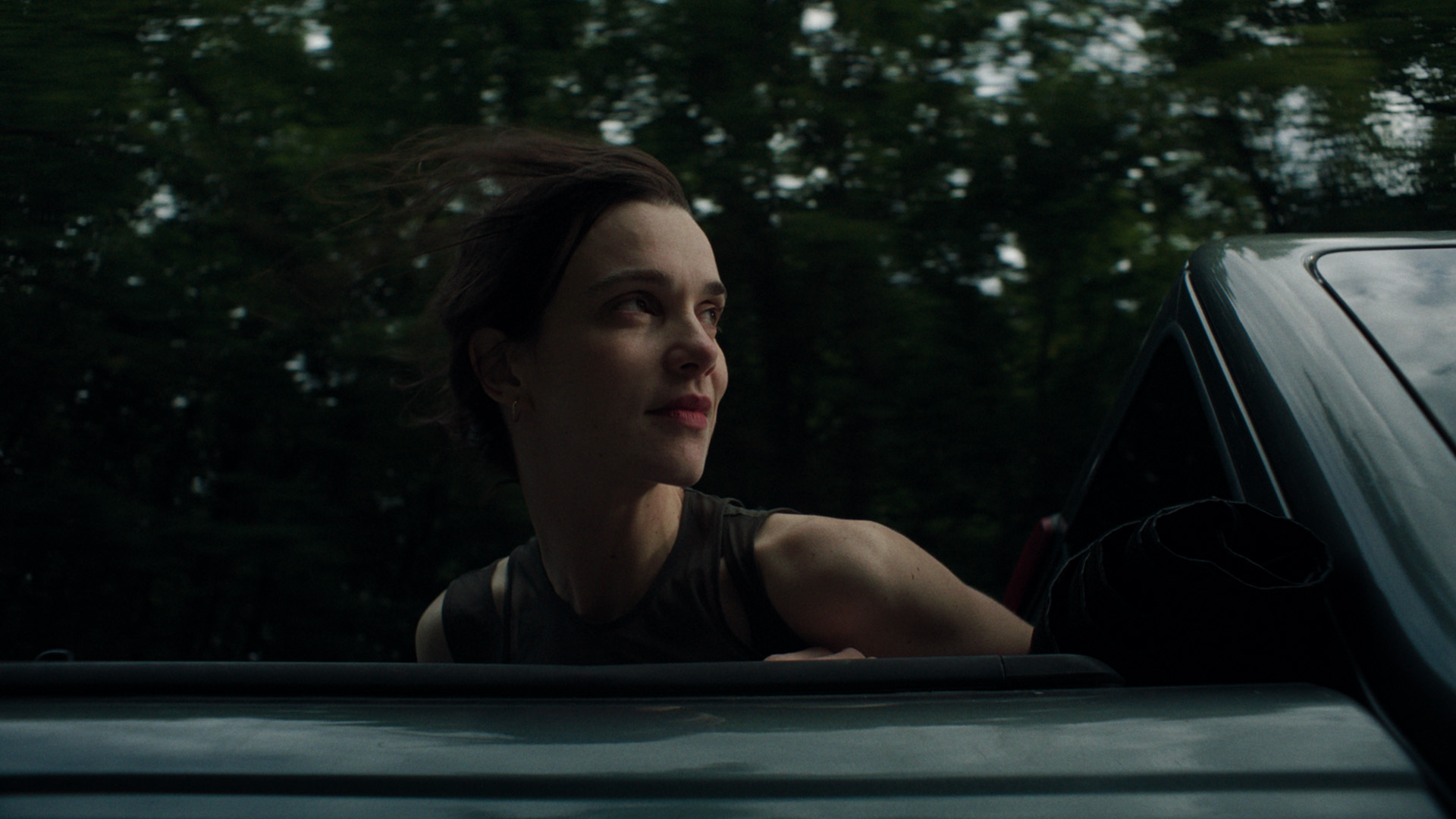
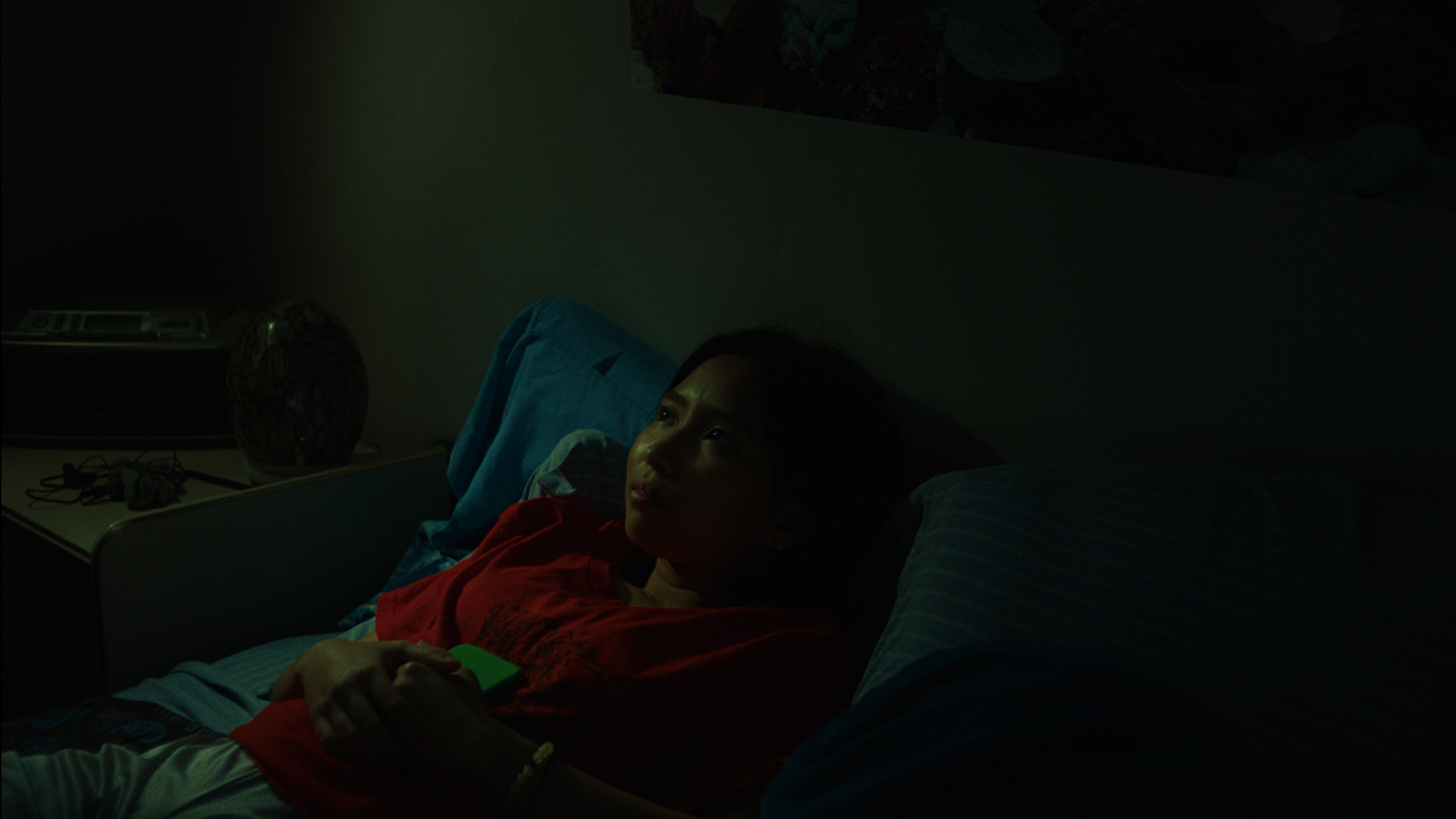
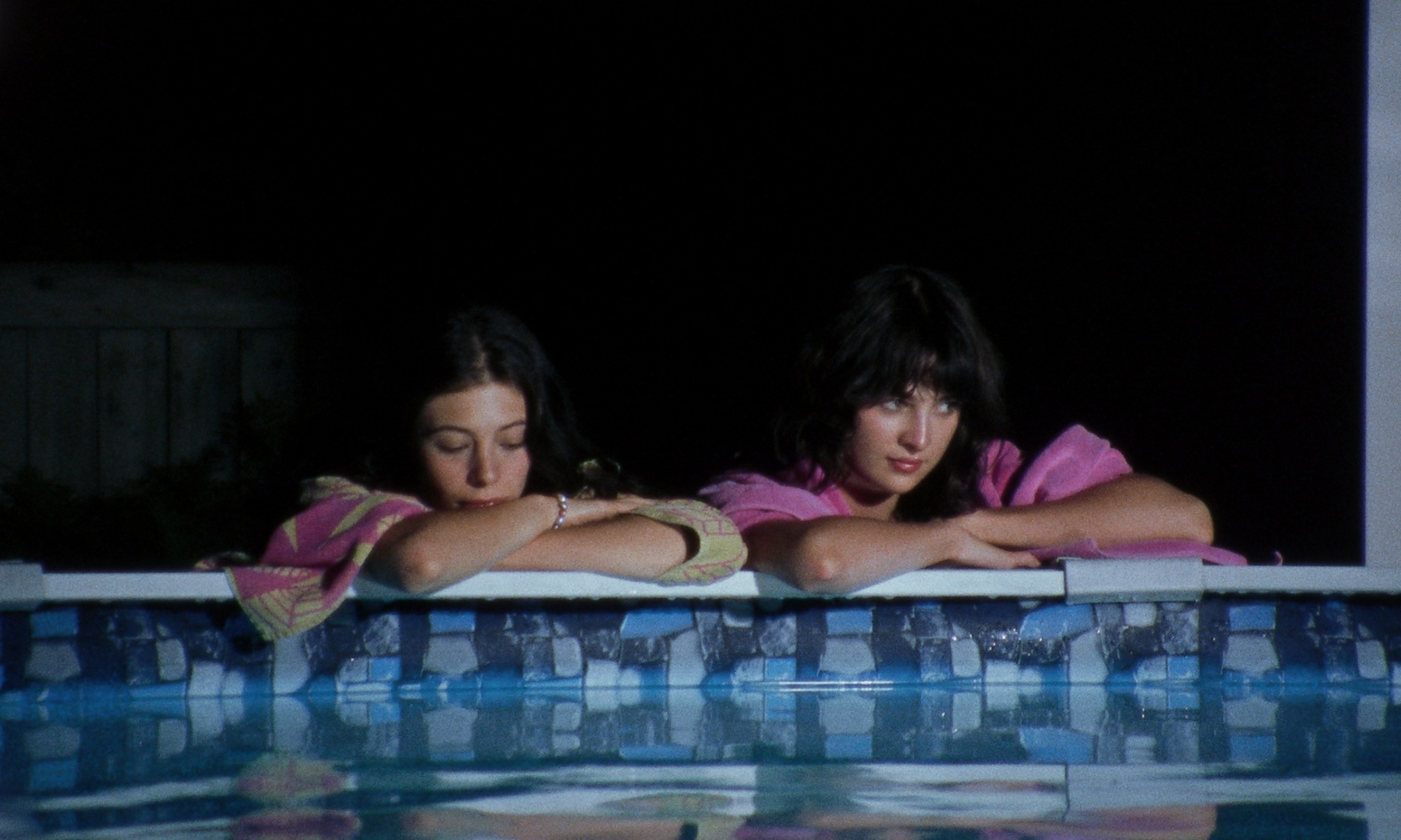
When we take the time to listen to the particular sound of an insect or the reverberation of a car under an overpass, a shared world is revealed to us. Elsewhere at Night explores our relationship to people and places in these pivotal moments of questioning and wandering . The characters in the film are variations of several versions of themselves across different ages, contexts, and countries of origin, united by a sense of grief and the desire to be elsewhere. Being interconnected by their dreams and fears ties them through a shared experience.
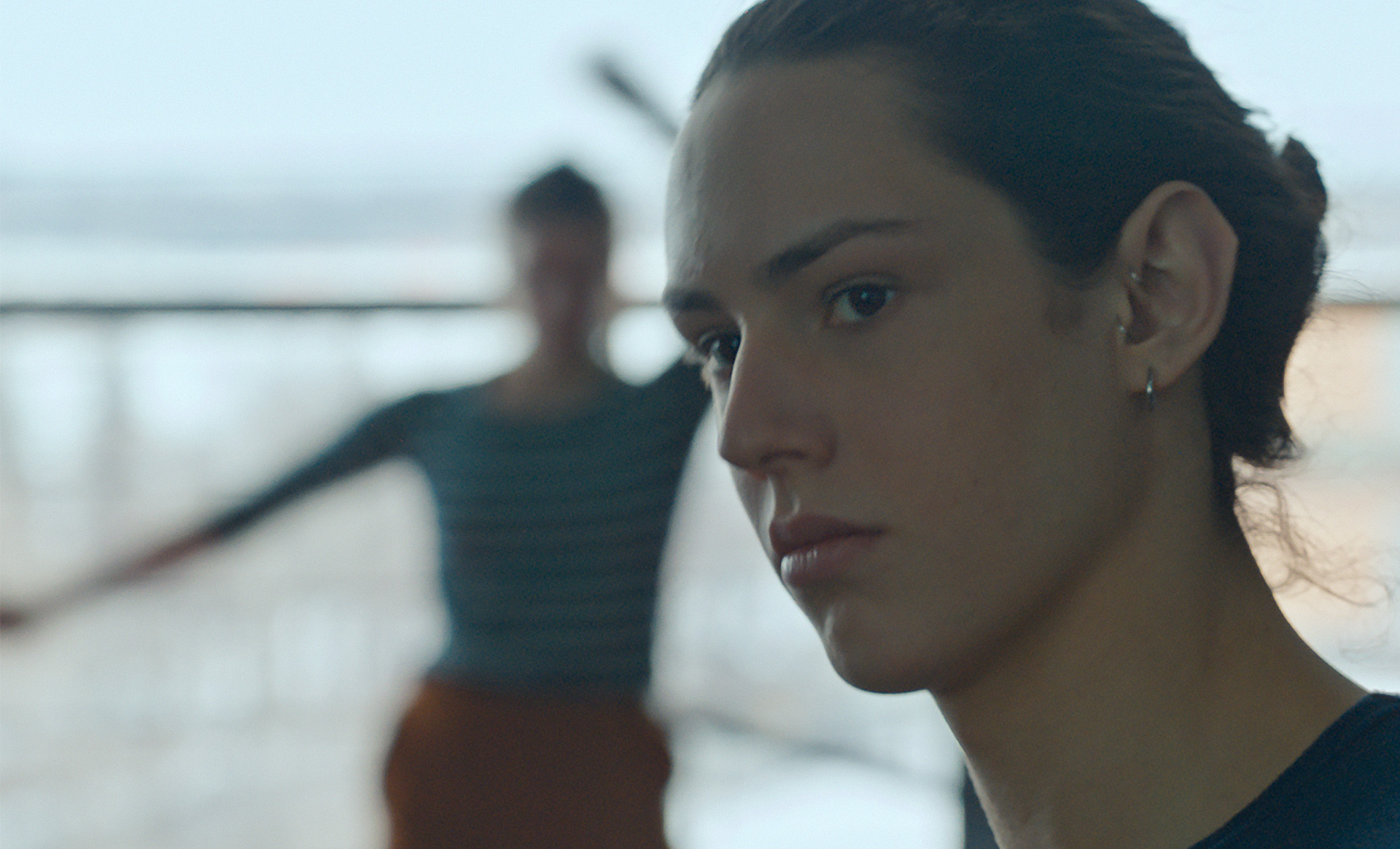
As a Canadian-Filipina, my mixed identity pushes me to explore stories about roots and the sense of belonging. Interested in dual perspectives and how they can coexist and blend, the film naturally took shape in multiple frames. The protagonists—a traveler, an artist, a researcher, a farmer, immigrants, and a student—are all either at the beginning or the end of a cycle, and have a particular relationship with displacement. It was important for me to connect characters who have the choice to move with others who don’t. Mainly told through the points of view of three female characters, the film is punctuated by ephemeral encounters, long-distance relationships, places to come to and places to leave behind. Diversity is the crux of the story, on both the narrative and formal levels. It’s also reflected in the different languages spoken (French, English and Tagalog), an aspect at the heart of identity and filiation. Some characters, such as Eva and Melita, are inspired by my journey. They’re a tribute to my mother and to all the Filipinas in the diaspora who share a similar story.
Strong thematic parallels between either part are articulated through interplay between characters: they complement and echo each other, depicting a large human canvas on which viewers can project their own experience. I wanted to make an immersive film with an unconventional structure that offers multiple impressions, a film that lends itself to various readings and doesn’t explain everything, but rather seeks to evoke a universe of interconnections. Elsewhere at Night is a portal where dreams converse and merge.
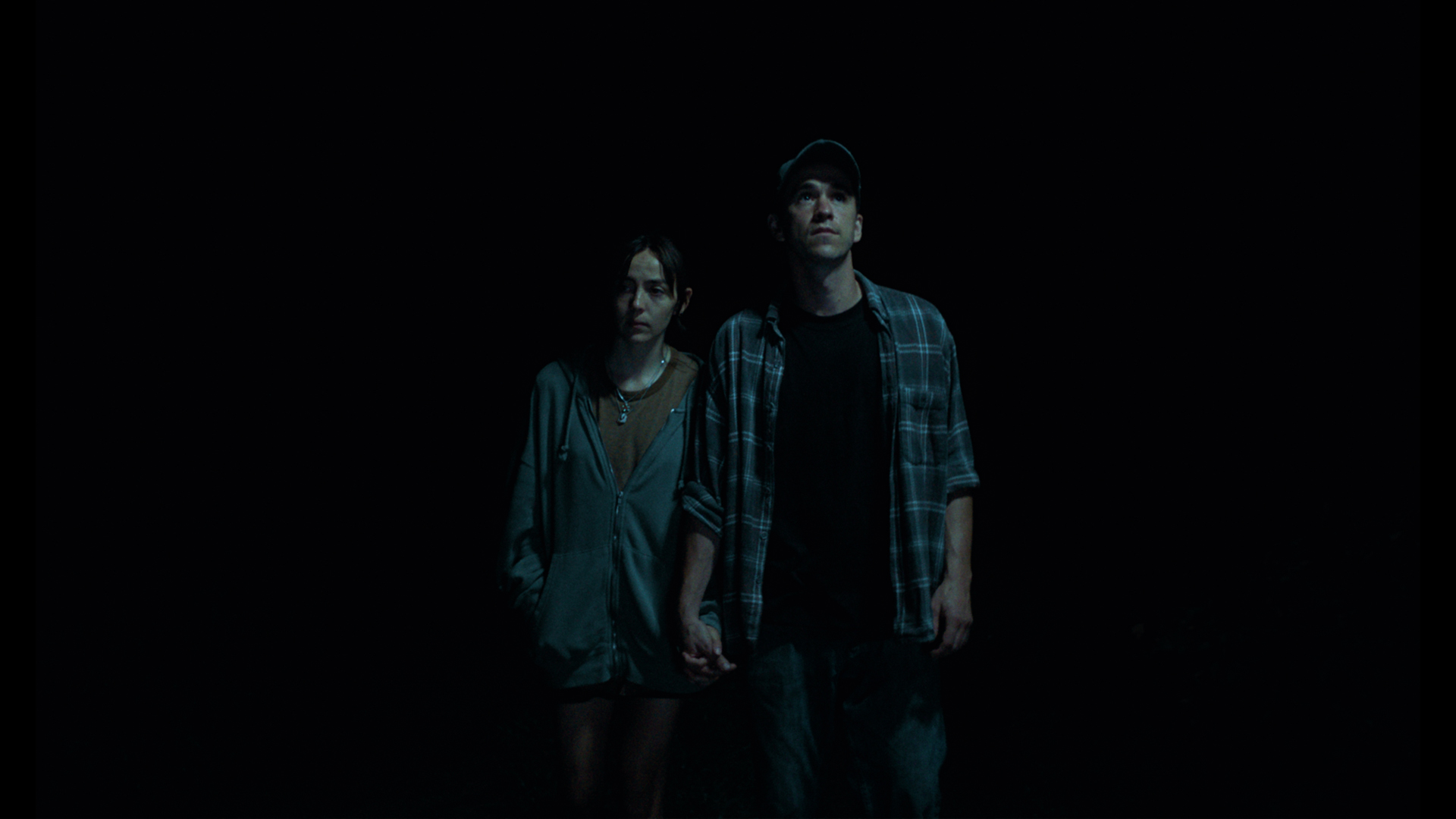
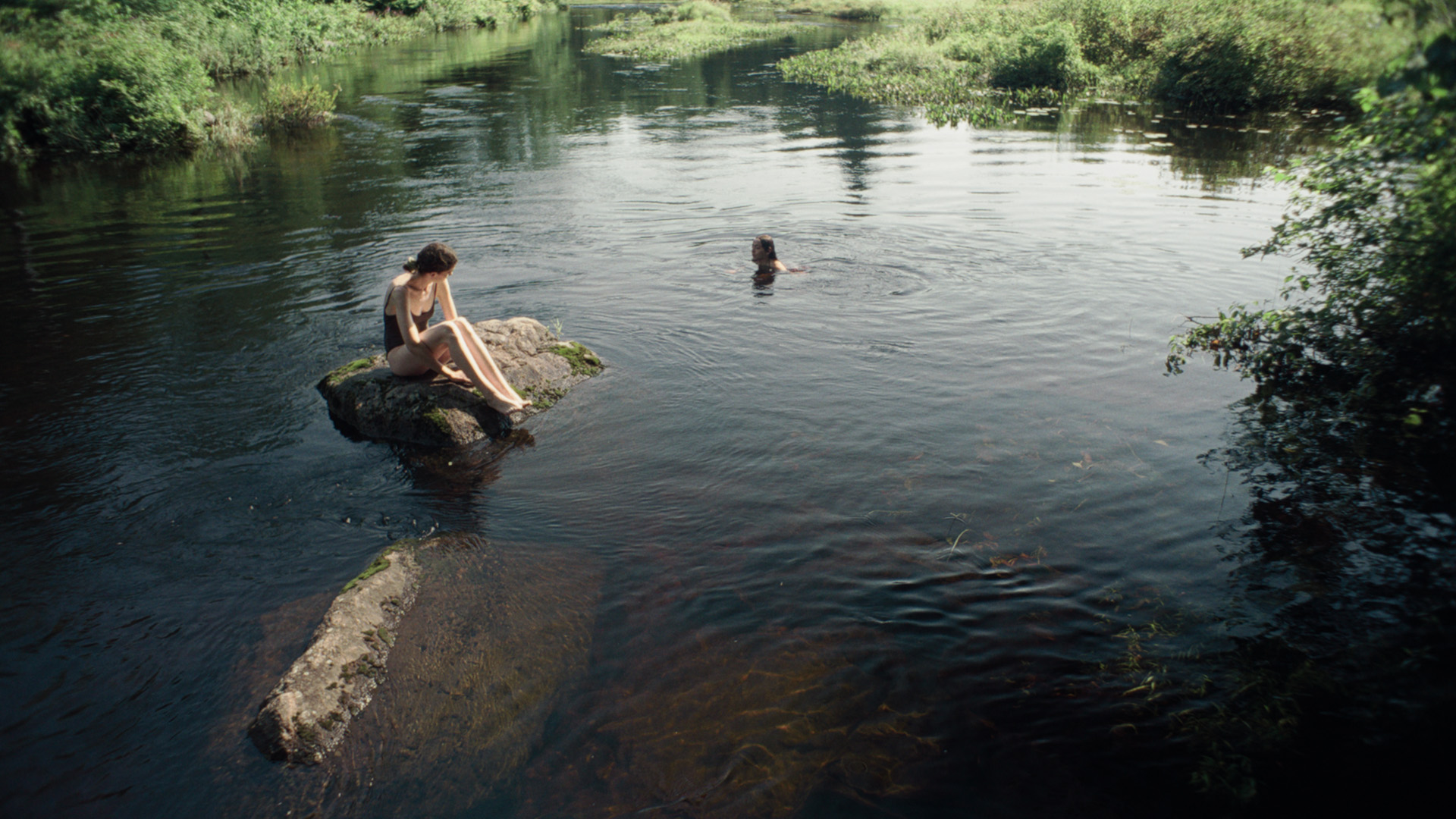
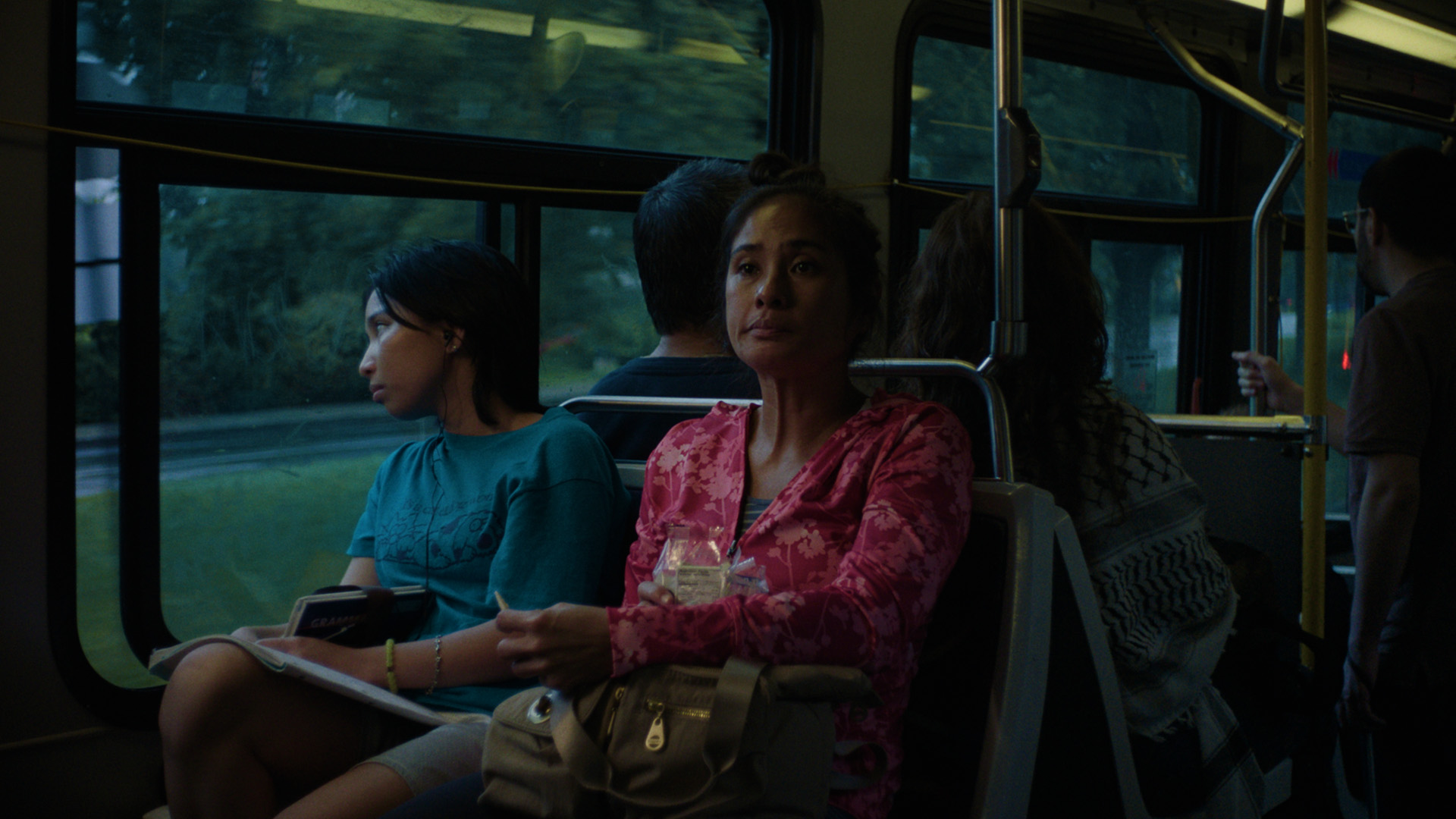
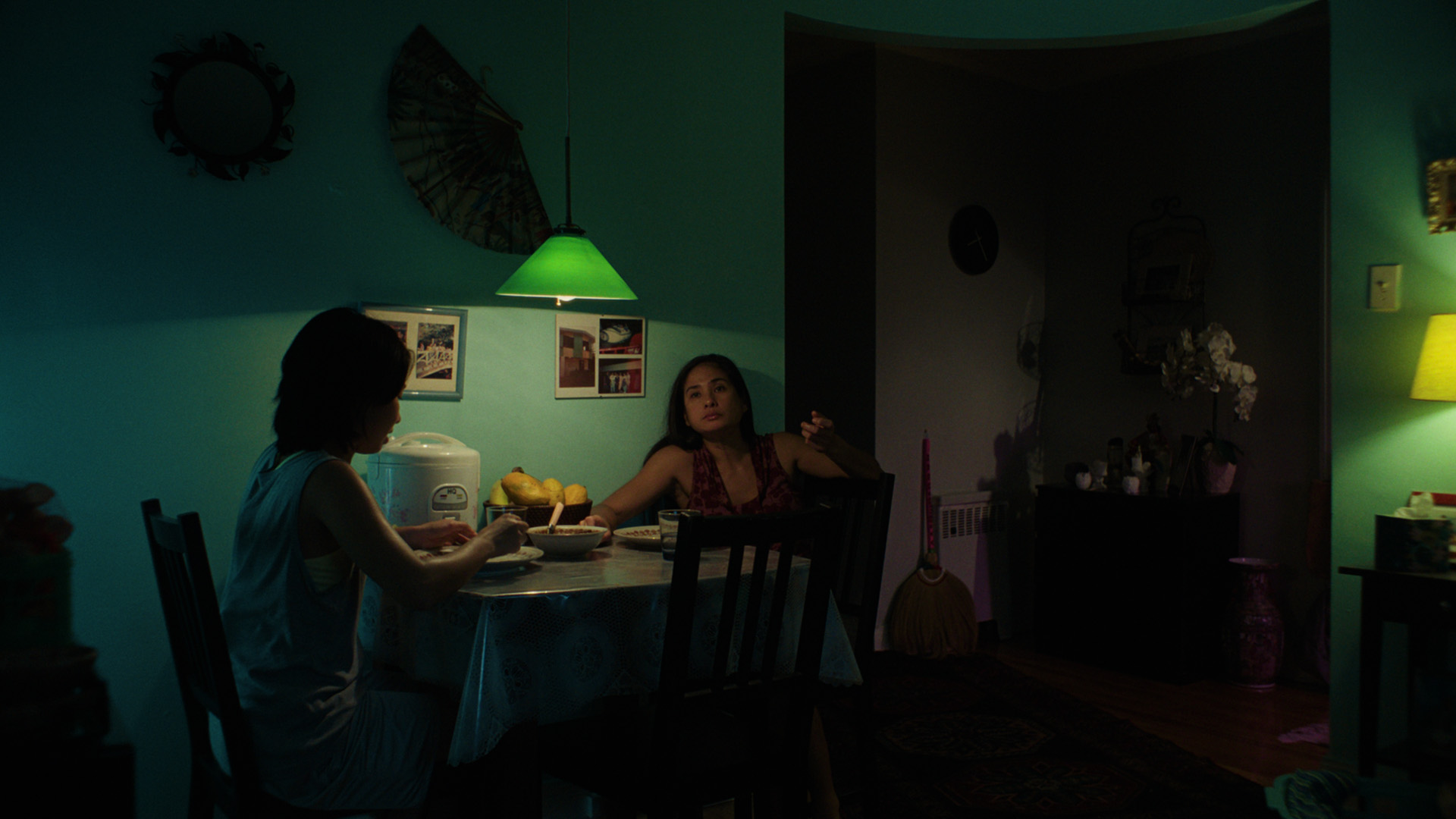
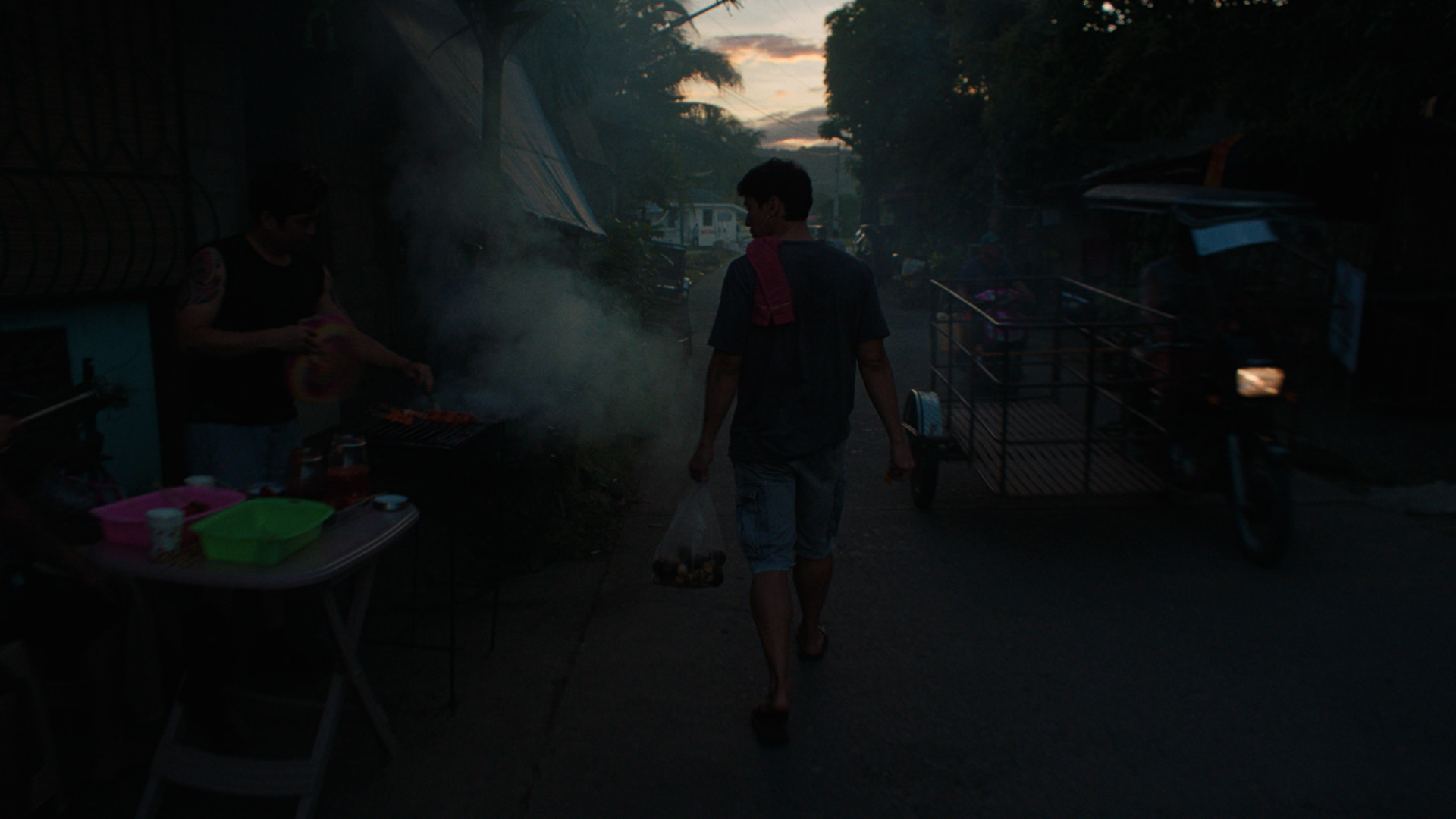
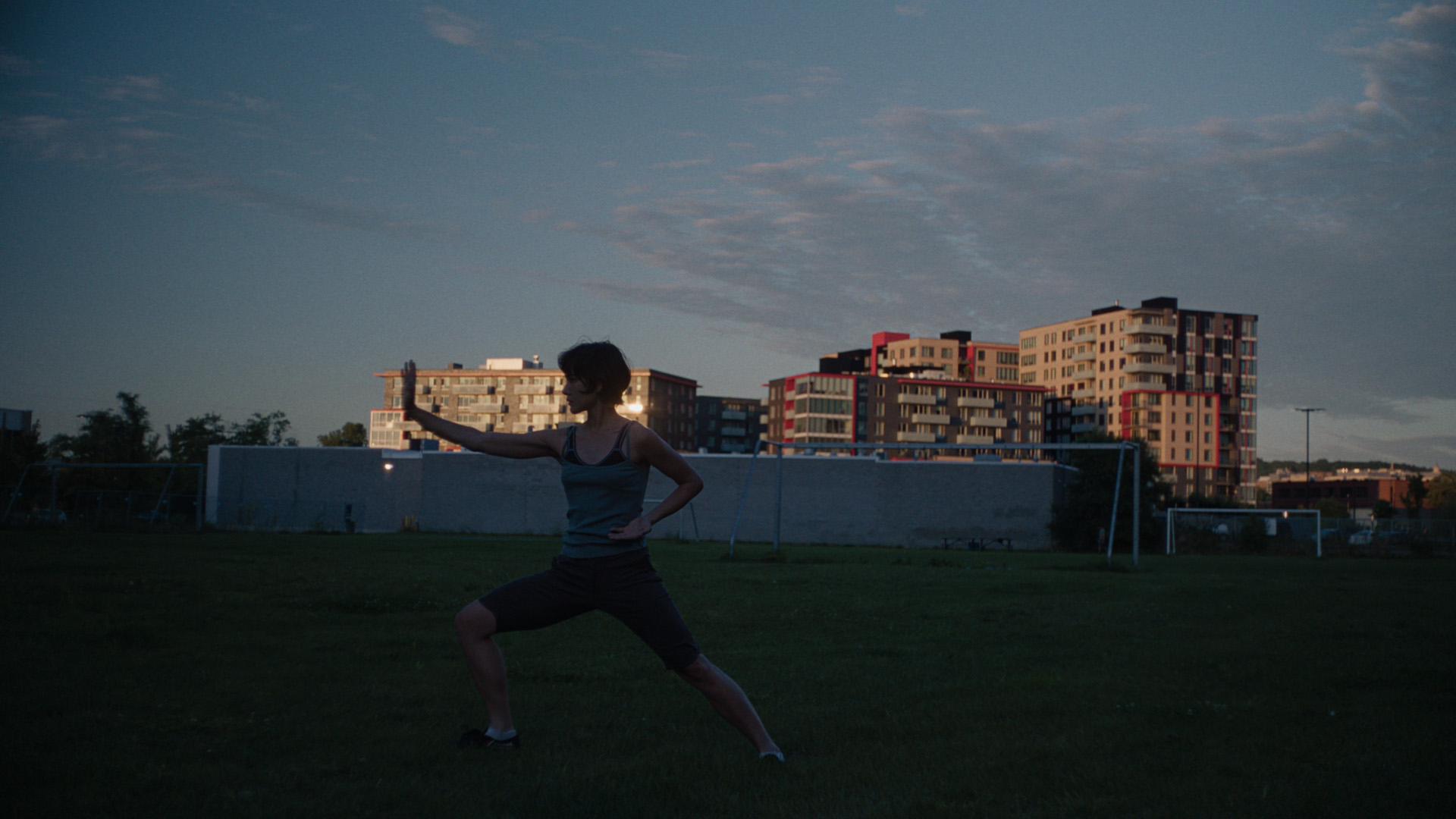
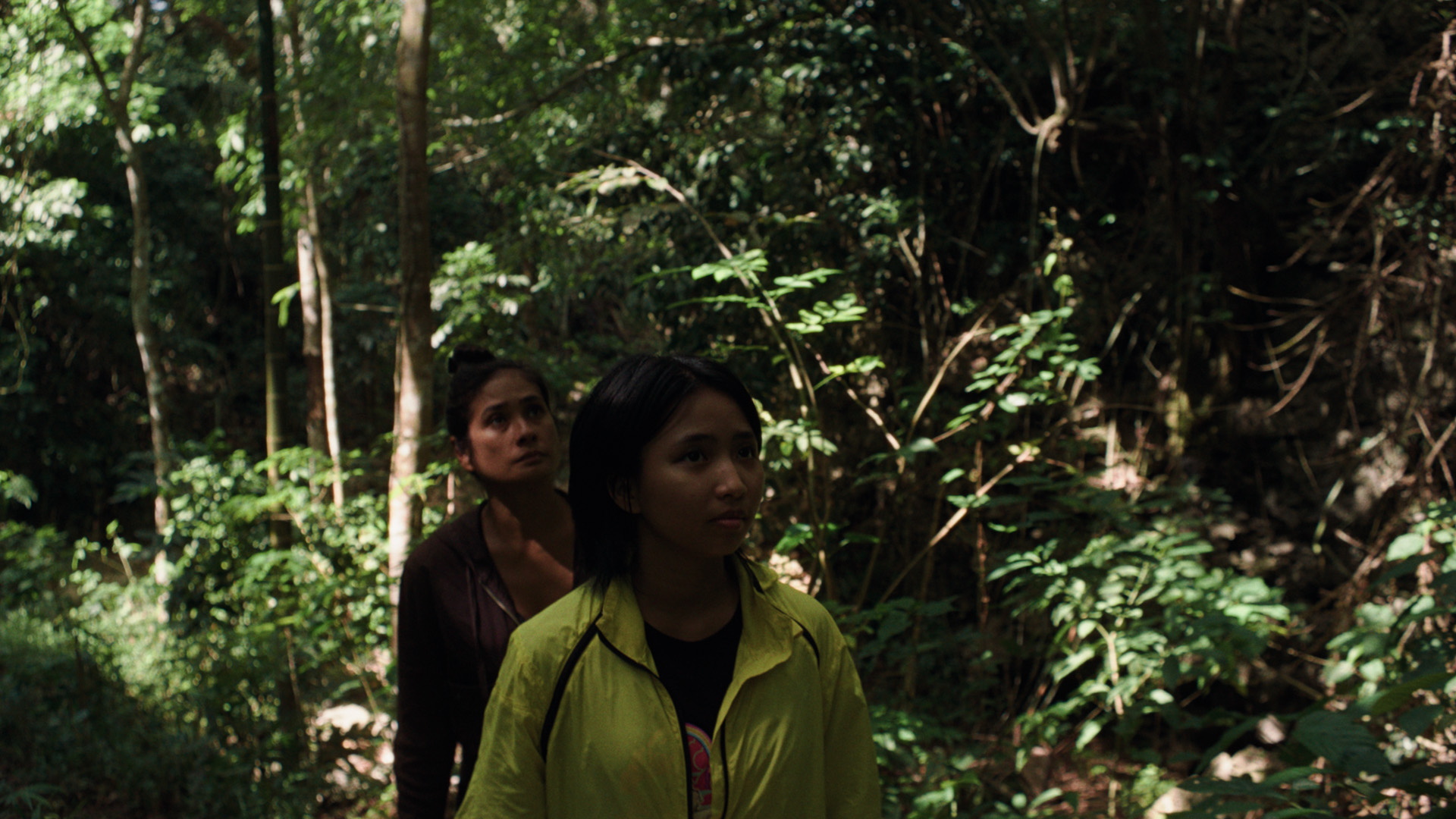
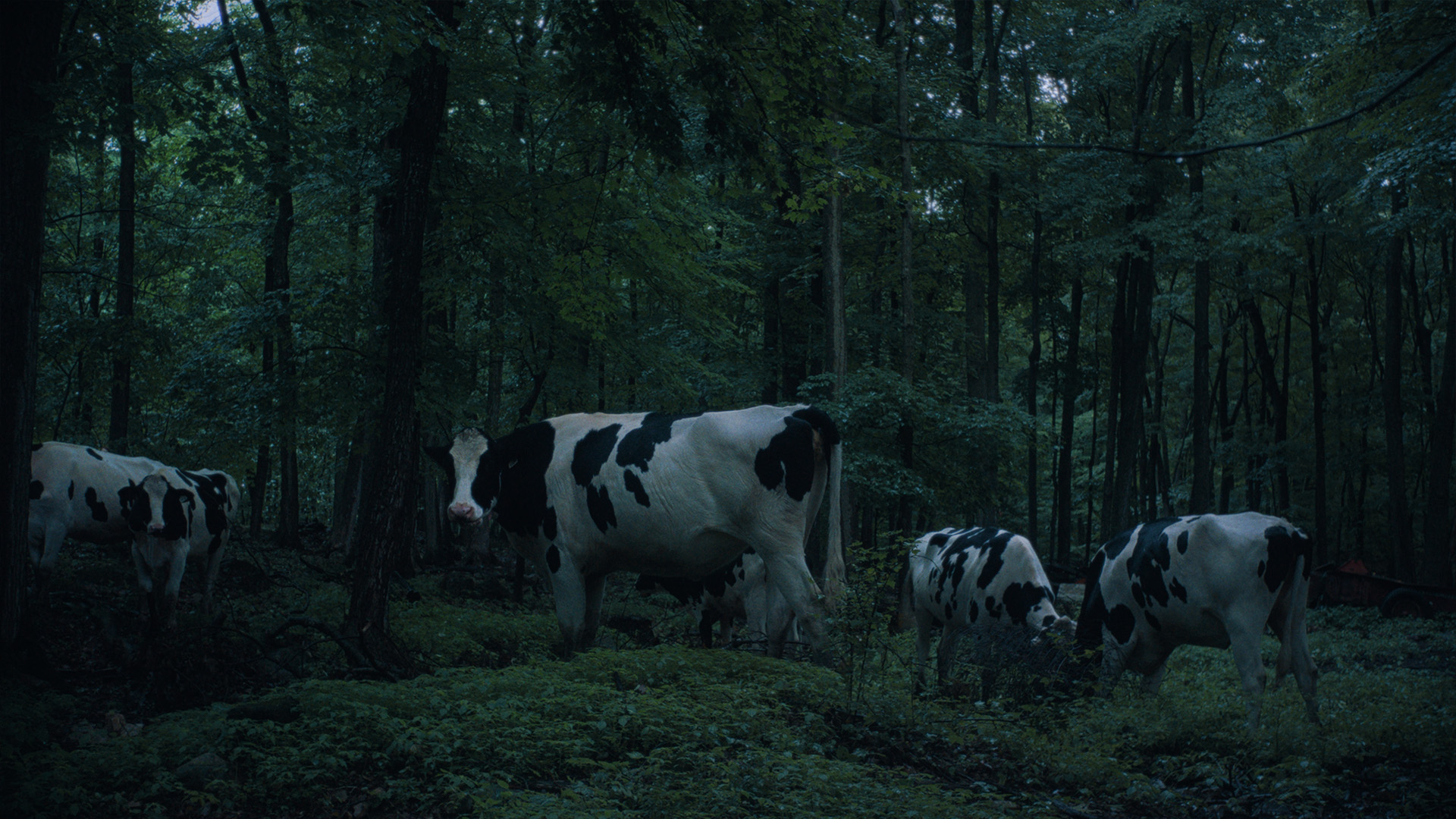
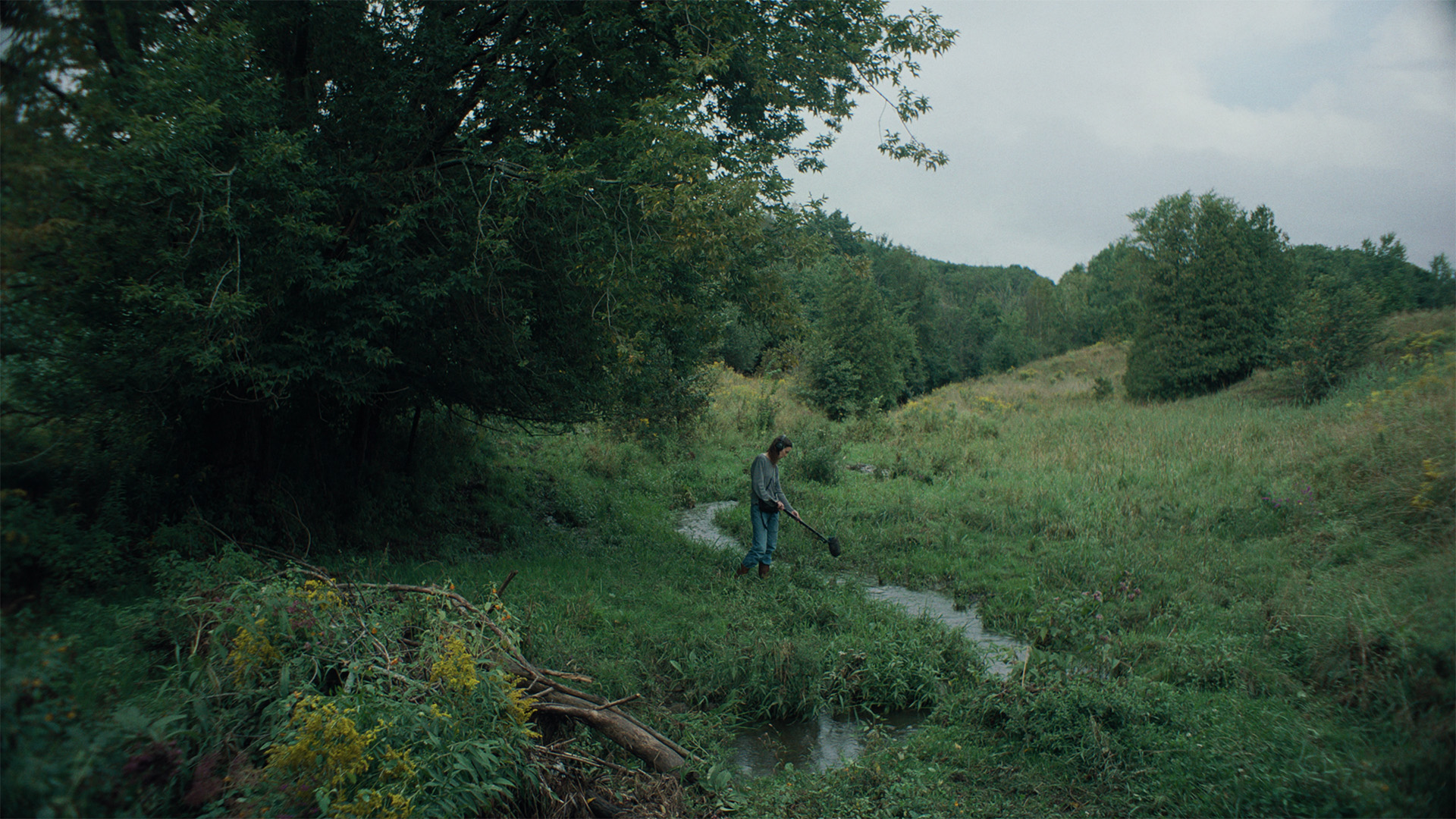
Cinematographer Ariel Méthot and I decided to work the scenes with an economy of shots, often going for still, wide shots, allowing the viewer to engage with the frame and letting the characters interact with their environment. Visual events (sequences that have a formal particularity separating it from the whole) punctuate the film and create a feeling of transcendence linked to memory and the passage of time, sending the viewer into a sensory experience. The blue light, the steadycam dream sequences set in the Philippines and the thermal camera scene are such formal disruptions.
Sound occupies a visceral place in the film. Sound was one of the main tools I used to transport the viewer to places that are both common and distant. With Ilyaa Ghafouri, the soundscape was precisely woven in order to connect the characters holistically. Certain noises recur throughout the story, acting as clues scattered throughout the film. Like reminiscences, urban sounds find their way in nature, and vice versa.
Through a sensory, sensual experience, I wanted to immerse the viewers in a waking dream where they’ll project themselves into a moment in their lives when they wondered if they were really in the right place. Our commitment and relationship with places are at the heart of this story. It sends us back to our roots. Elsewhere at Night is also an ode to the intangible links between all living beings, animals and nature—a film that will invite people to pay attention to the smaller things, and listen to the world around us.
Camille Rutherford, Victor Trelles Turgeon, Émile Schneider, Garance Marillier, Kyrie Samodio, Sue Prado, Amaryllis Tremblay, Enchong Dee
DIRECTING: Marianne Métivier
SCREENPLAY: Marianne Métivier
PRODUCTION : Geneviève Gosselin-G. (Le Foyer Films)
CINEMATOGRAPHY: Ariel Méthot
SOUND DESIGN: Ilya Ghafouri
EDITING: Myriam Magassouba
.jpg)
From countryside stillness to urban insomnia, strangers’ lives intersect, torn between staying and leaving. Bound by dreams and silent longings, they search for a new beginning.
.jpg)
« an intimate portrait [...] of feeling trapped in a life that slips through our fingers. »
« […] Brilliant performance by Camille Rutherford »
.jpg)
She Who Wears the RainI 2019 | *Berlinale Shorts
Elsewhere at Night (Ailleurs la nuit) I 2025
Marianne Métivier is a Canadian-Filipina director from Montreal. Her short film She Who Wears the Rain (2019) was selected at the Berlinale Shorts in 2020. She participated to the FeatureLab 2023 of Torino Film Lab with her first feature Elsewhere at Night (2025). Her work explores the sense of belonging and our relationship to the intangible.

_Amadou.jpg)
.jpg)
.jpg)