.jpg)
Red Rooms
A film by
Pascal Plante
According to the Internet Movie Database (IMDb), there are more than 5000 films or series listed under the "serial killer" label. The morbid fascination devoted to them is currently at its peak with all the “true crime” series which flow every month (week?) on the Netflix’s of this world. However, a curiously understudied phenomenon, both in print and in audiovisual media, is the magnetic attraction that some women feel for these killers. It is unmistakable: as despicable as the murderer is, he will be courted by a legion of admirers (Charles Manson still received around 20,000 letters a year, including daily marriage proposals, until his death in 2017). And this fascination begins as soon as the suspect is arrested. With each publicized trial, it is inevitable: “groupies” riot in the courtrooms. And they are mostly women. But who are they?
The answer is complex and multi-faceted, but the question itself has haunted me enough to spark my imagination. Motivated by pandemic angst, I fell into a murky research rabbit hole that also led me to read about cybersecurity and tech crimes. I wanted the fictional killer in this film-in-the-making to be a product of his time: it was only fitting to think about new media to shape his psychopathic profile.
And then, in preparation for this project, I watched (too) many twisted films… to the point of flirting with apathy in the face of extreme images. But horror isn't just found in fiction: news reports are often just as sordid. In her recent writings, culture critic Susan Sontag said that the relentless flow of violent images in our societies immunizes viewers and ultimately undermines their ability to respond; that this daily horror diet ultimately elicits indifference rather than outrage or even compassion. At the height of its "popularity", the video of Jun Lin's murder by Magnotta was estimated to have been viewed more than 10 million times in 24 hours. What does this say about our deep impulses? About our society? Today, being “fascinated” rather than “disgusted” by a heinous crime is more plausible than ever. And what about the media that "glamorizes" killers with nicknames and headlines that stimulate the imagination to generate clicks? In a world where they are treated like rockstars, should we be surprised at their power of attraction?
Red Rooms is the artistic answer to these topical questions. The goal is to offer a singular counterpoint to these kinds of thrillers by reversing the point of view to the feminine while being at the heart of contemporary ethical issues related to our hygiene of technological
consumption. Wrapped in a tense and harrowing courtroom cyber-thriller, Red Rooms is a work that reflects on (and critiques) our collective fascination with murderers. An anti-serial-killer-movie, of sorts.
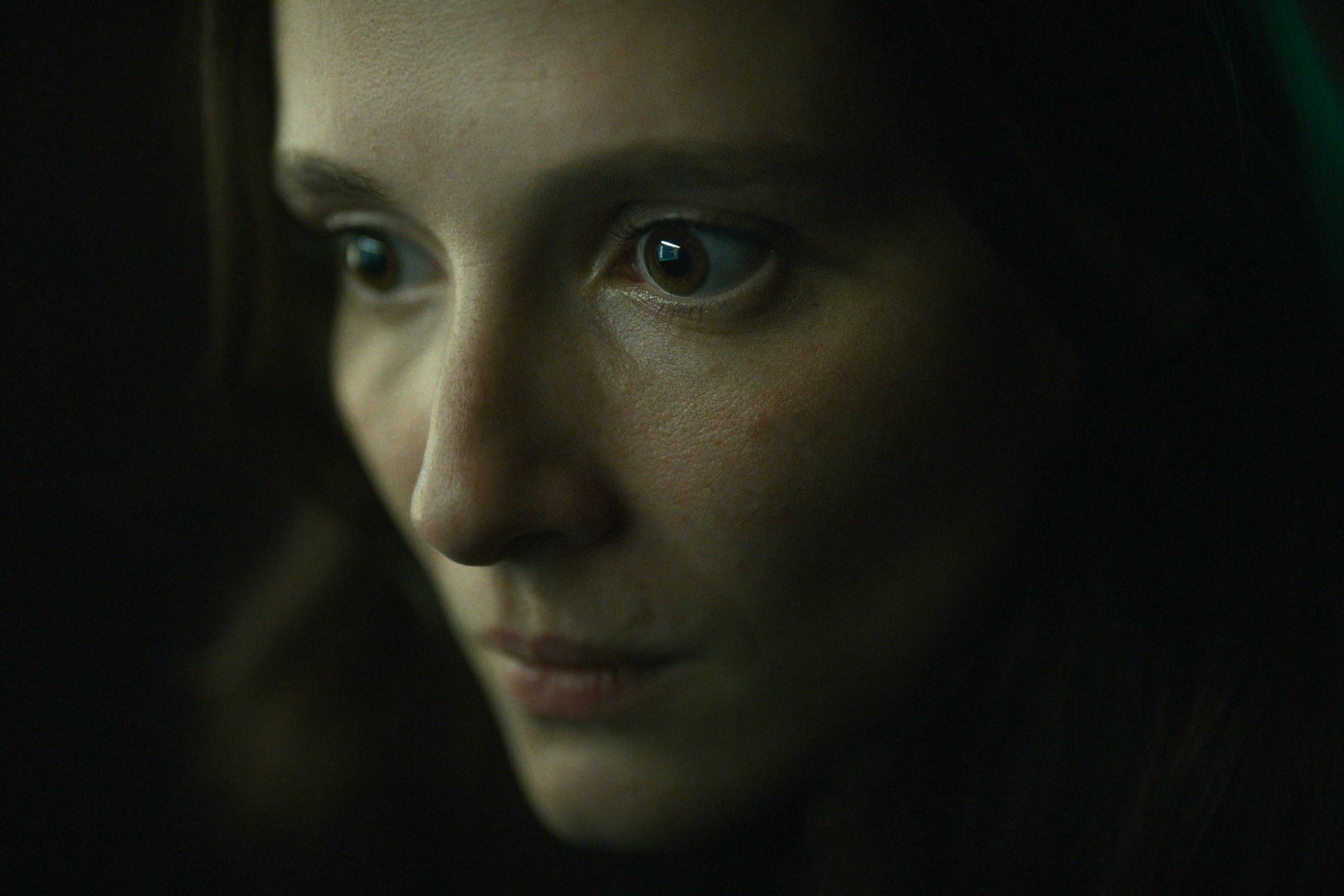
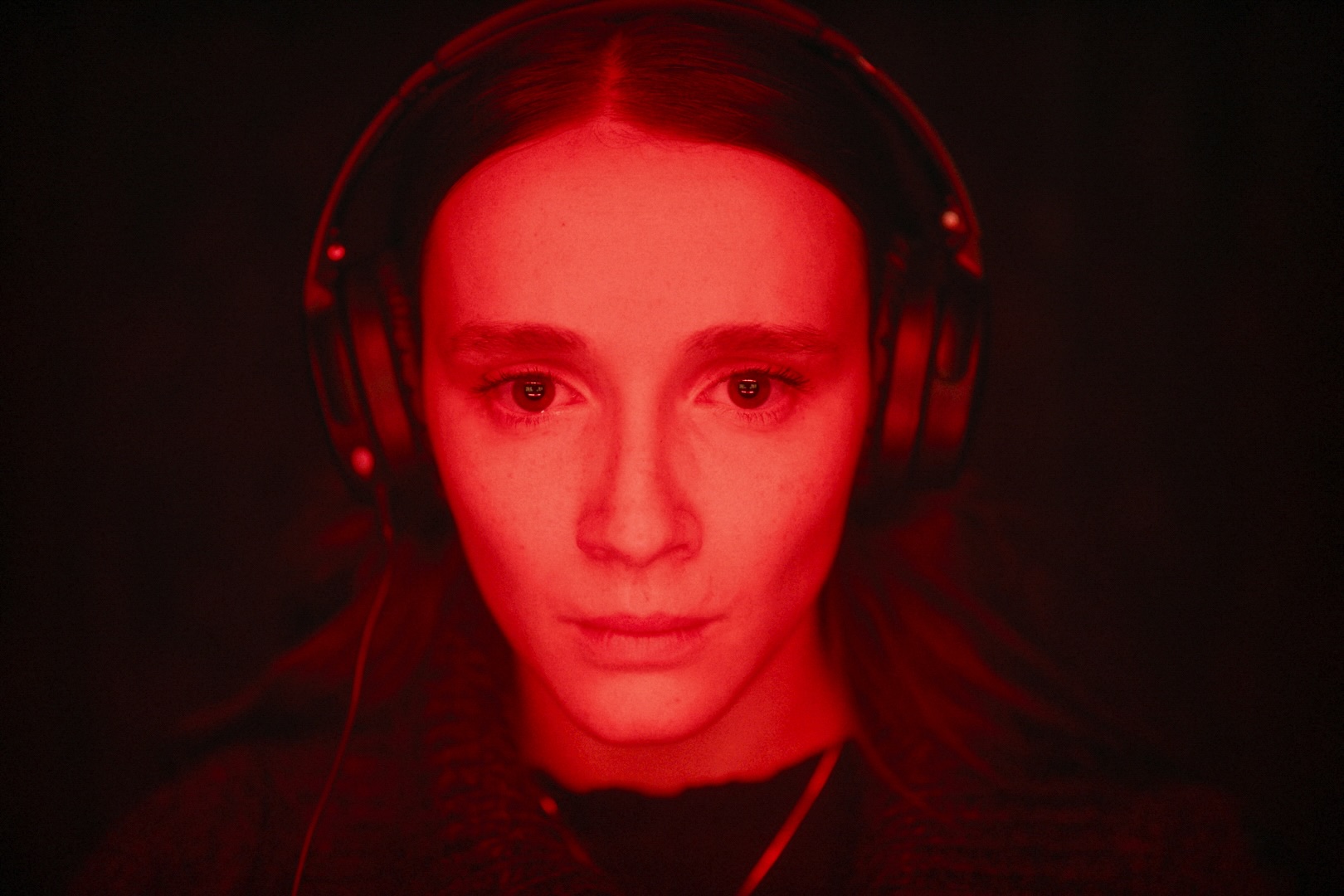
The film opts to dismiss the killer as much as possible (if not from the media construction around him), in order to focus on the point of view of Kelly-Anne, an enigmatic young woman with polymorphous motivations. Without wanting to confine my protagonist too much to a psychiatric diagnosis, Kelly-Anne nevertheless leans towards the sociopathic side of the spectrum; towards hybristophilia (i.e. the paraphilia of someone who is stimulated by heinous crimes). A kind of Bonnie in Bonnie & Clyde. But Kelly-Anne is much more complex than this label, especially since she is deliberately never explained by elements of her past, and this, to make her exist in the present, in dialogue with her environment, without simplifying her actions by psychoanalysis. Then again, we can also try to define her from a metaphorical perspective.
A spectral avenger, perhaps. In any case, the relationship between the spectator and Kelly-Anne is not based on a principle of "identification", but rather of "fascination", which is in line with the psyche of Kelly-Anne, herself fascinated by a killer and his victims.
The cinematographic language of Red Rooms embraces the troubled subjectivity of Kelly-Anne, whose psychological state evolves – and deteriorates – over the course of the story. Initially, Kelly-Anne is methodical and analytical: the aesthetic is analogous to her Cartesian side (meticulously choreographed floating shots coupled with static long shots and calculated zooms). Her solitary modus vivendi gravitates around the bluish light of the screens, whose content, often filmed in close-up, is an integral part of the story. However, when Kelly-Anne experiences bursts of humanity with Clementine, the camera becomes more flexible as their budding friendship evolves. Handheld camerawork with wider lenses breathe a little spontaneity to the images. And finally, when Kelly-Anne's paranoia intensifies (as does the pace of the editing), a shakier camera takes on more nervous and oppressive overtones. Here, the realistic landmarks crumble, thus leaving more room for visual and sound expressionism – for a sensory experience.
And by the end of this deep dive into the darkest parts of human nature – of this barely disguised ghost and/or witch movie – I can only wish that Red Rooms creeps under your skin. Surprises you. And haunts you.
Juliette Gariépy, Laurie Babin, Elisabeth Locas, Maxwell McCabe-Lokos
DIRECTING: Pascal Plante
SCREENPLAY: Pascal Plante
PRODUCTION: Dominique Dussault (Nemesis Films)
CINEMATOGRAPHY: Vincent Biron
SOUND: Martyne Morin, Olivier Calvert, Stéphane Bergeron
MUSIC: Dominique Plante
EDITING: Jonah Malak
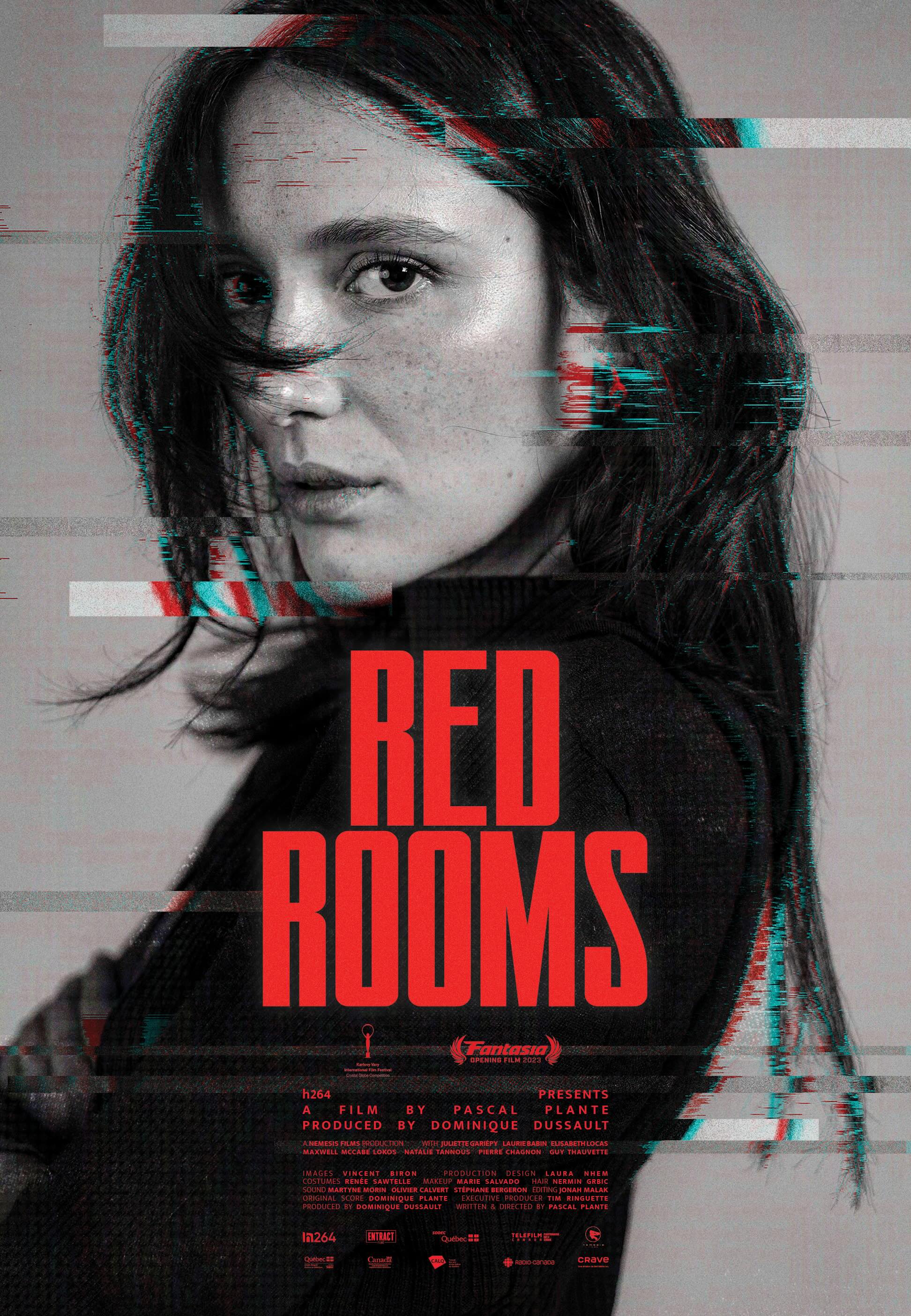
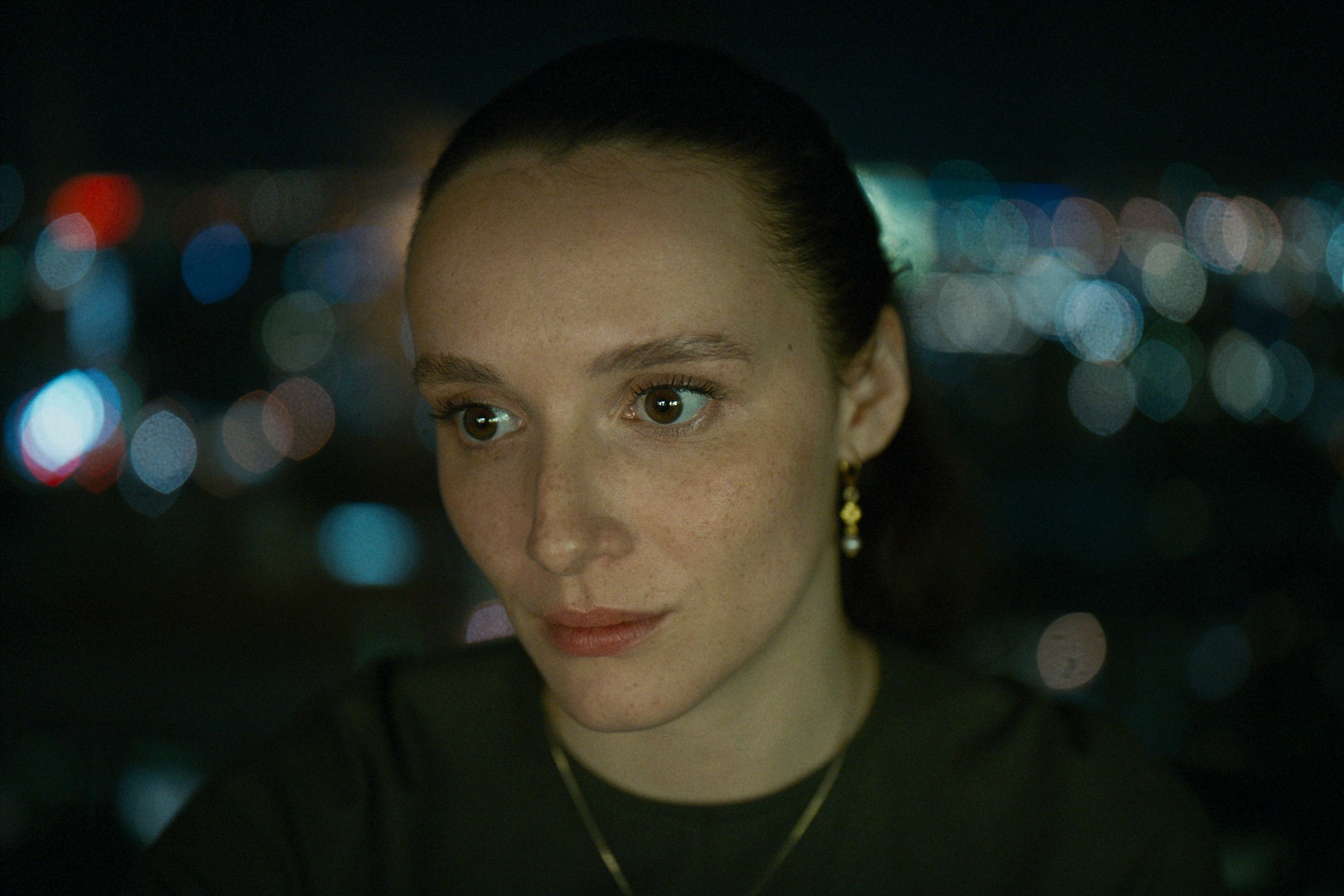
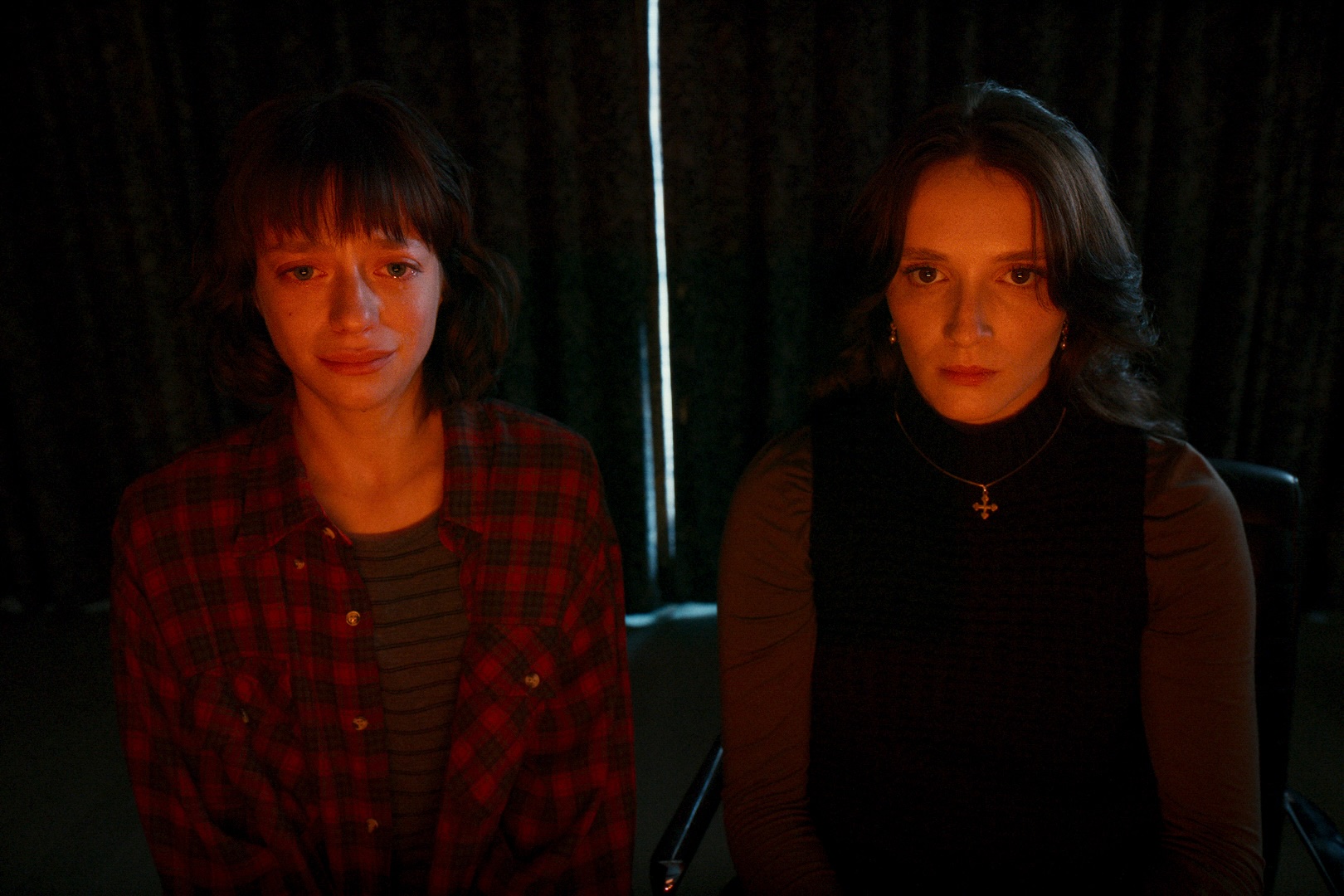
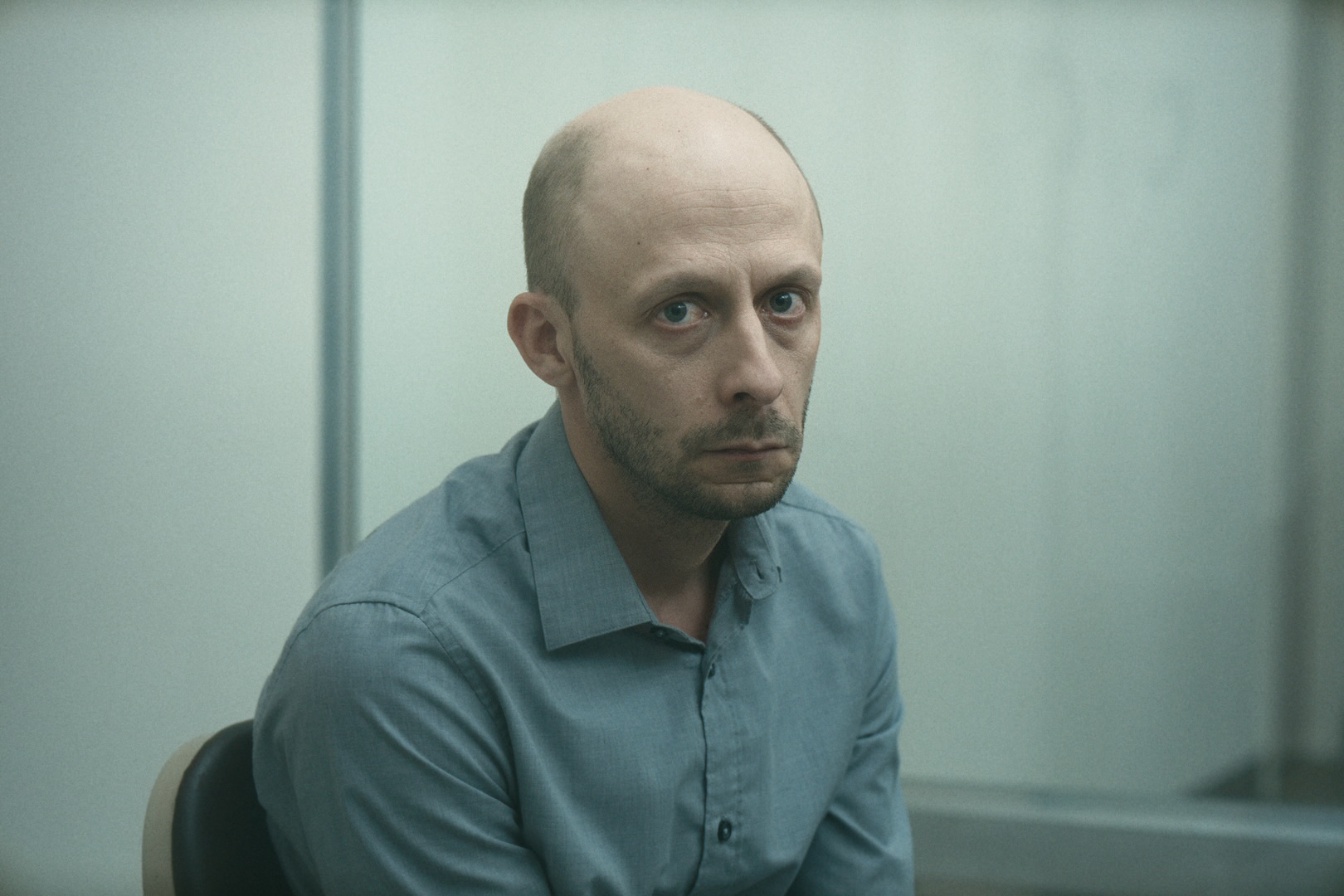
The high-profile case of serial killer Ludovic Chevalier has just gone to trial, and Kelly-Anne is obsessed. When reality blurs with her morbid fantasies, she goes down a dark path to seek the final piece of the puzzle: the missing video of a murdered 13-year-old girl, to whom Kelly-Anne bears a disturbing resemblance.
Pascal Plante’s disturbingly brilliant psychological horror Red Rooms
Red Rooms is already an essential classic of Quebec cinema.

NADIA, BUTTERFLY | 2020
BLAST BEAT | 2018
LES FAUX TATOUAGES | 2017
NONNA | 2016
BLONDE AUX YEUX BLEUS | 2015
BABY BLUES | 2012
JE SUIS UN CHÂTEAU DE SABLE QUI ATTEND LA MER | 2011
LA FLEUR DE L’ÂGE | 2011
Pascal Plante is a Montreal-based filmmaker whose latest narrative feature – Nadia, Butterfly – has been included in the official selection of the 73rd edition of Cannes Film Festival in 2020. After his graduation from Concordia University’s Mel Hoppenheim School of Cinema, Pascal co-founded the production company Nemesis Films, with which he directed numerous short films including BLAST BEAT (Slamdance 2019), Blue-Eyed Blonde (Best Canadian Short Film VIFF 2015), and Nonna (Slamdance 2017). His first narrative feature, a punk romance entitled Fake Tattoos, competed at the Berlinale, in Generation 14plus, in 2018. Pascal considers himself like a cinephile that became a narrative filmmaker with documentarian tendencies. Red Rooms is his third narrative feature.


_Amadou.jpg)
.jpg)
.jpg)