.jpg)
VFC
A film by
C.S. Roy
Music has many effects on us, some uplifting, some irritating, and for some of us these effects seem out of control. Musical disorders like amusia and synesthesia have been diagnosed and studied for 50 years, while others are still being discovered every year. These conditions affect our emotions, our social life and the way we experience the world on a daily basis. Music has always been part of my life. My parents introduced me to classical music at a very young age, having taken violin lessons and ultimately joined a youth symphony orchestra. My reading of books such as “Musicophilia: Tales of Music and the Brain” by Oliver Sacks and “This is your Brain on Music” by Daniel J. Levitin helped me understand the emotional power of music on our feelings and our personalities. I first started in the fall of 2013 to participate in a dozen study experiments there to familiarize myself with the expertise in place and the methodology, while sharing thoughts with scientists about neurodiversity, and how l've been coping with my own brain in infinite juke-box mode throughtout the years.
V F C constitutes a creative opportunity to challenge how sound impacts our filmgoing experience, and aims to shed a light on the various lesser-known anxiety effects that music and sound can cause, particularly in today's public and private life, as more and more indoor spaces or exteriors are laminated with background soundscapes and muzak, and mobile music streaming services allow us to listen to any type of music, anytime, anywhere and for any occasion.
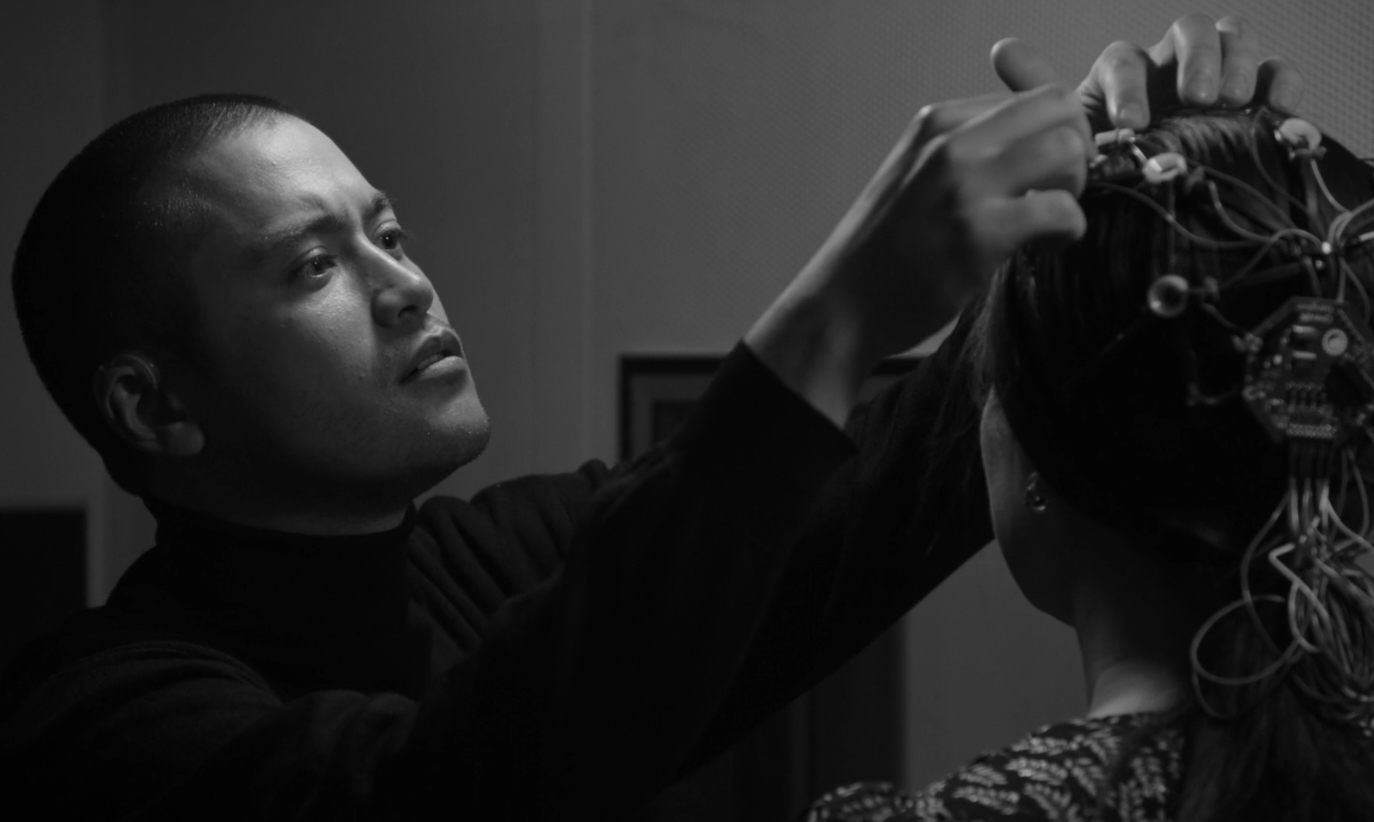
V F C offers a hybrid experience, juxtaposing traditional genre cinema with augmented reality technologies, allowing each viewer to listen to a soundtrack reflecting their cognitive state in real time, through an EEG headset and a pair of bone conducting headphones. This system was taken into account during the writing of the script as well as when shooting the film, in order to make its implementation consistent with the story and the direction. The contribution of interactive audio composer Philippe Lambert, a regular collaborator of Vincent Morisset, and neuroscience artist-researchers Yann Harel and Antoine Bellemare Pépin, allowed us to design multiple sound branches aimed to either amplify or challenge our perception of certain events in the film.
Elisapie Isaac, Étienne Lou, Justin Laramée, Matthew Kabwe, Ambica Sharma
DIRECTING: C.S. Roy
SCREENPLAY: C.S. Roy
PRODUCTION: C.S. Roy, Stéphanie Morissette (Scintilla)
CINEMATOGRAPHY: Stéphanie Weber Biron
SOUND: Tobias Haynes, Lynne Trépanier, Olivier Calvert, Sacha Radcliffe, Martin M. Messier
ORIGINAL SCORE: Philippe Lambert
EDITING: Anouk Deschênes
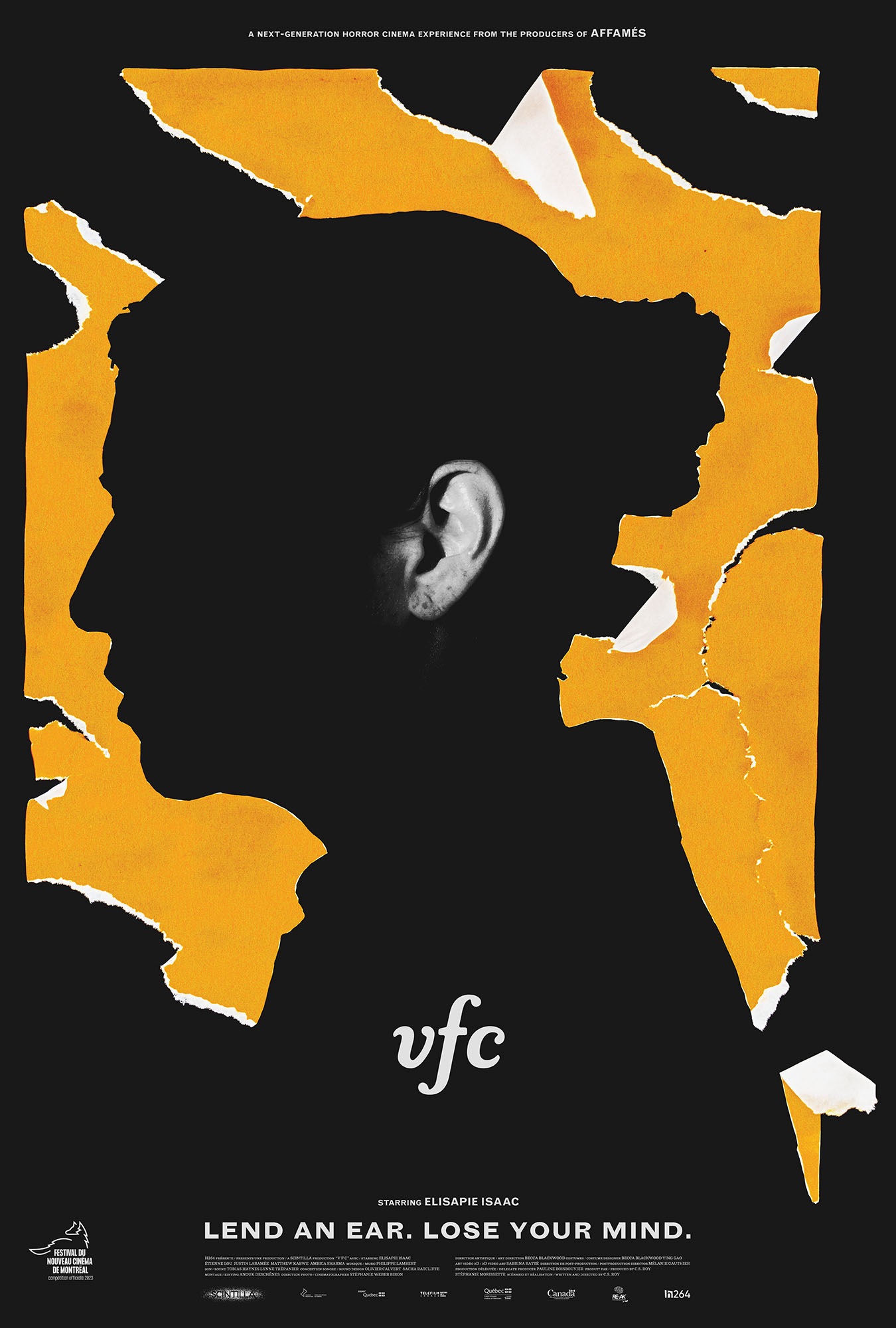
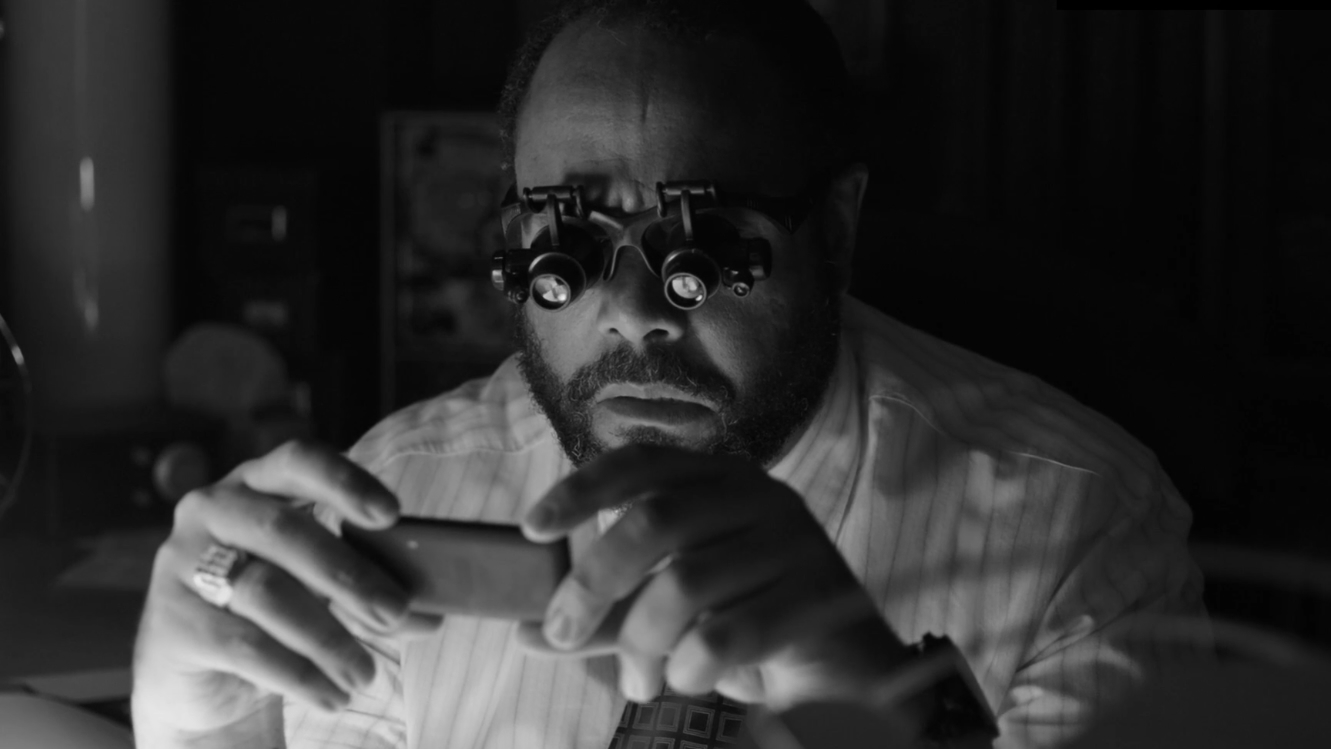
A female Neuroscience Researcher develops a rare form of melophobia after receiving an unsolicited portable media player loaded with music for testing in her laboratory and experiencing a musical Stendhal Syndrome. Witnessing her colleagues' strangely changing behavior over repeated exposure to the same piece of music, she flees to find shelter from the pervasive sounds of music in her environment and an increasingly frightening world.
A completely unique experience.
V F C proves that technology can enhance the in-theater listening experience.
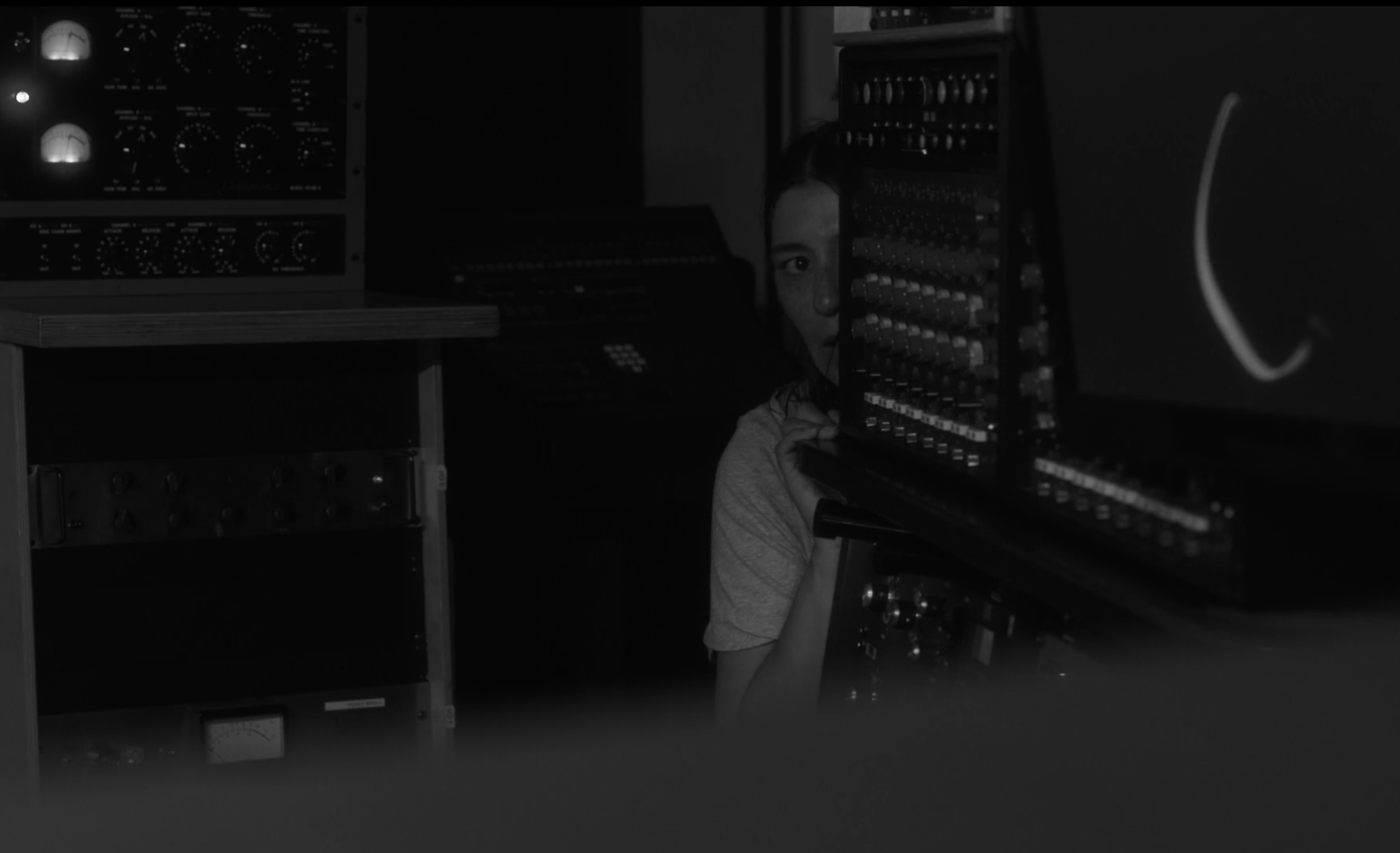
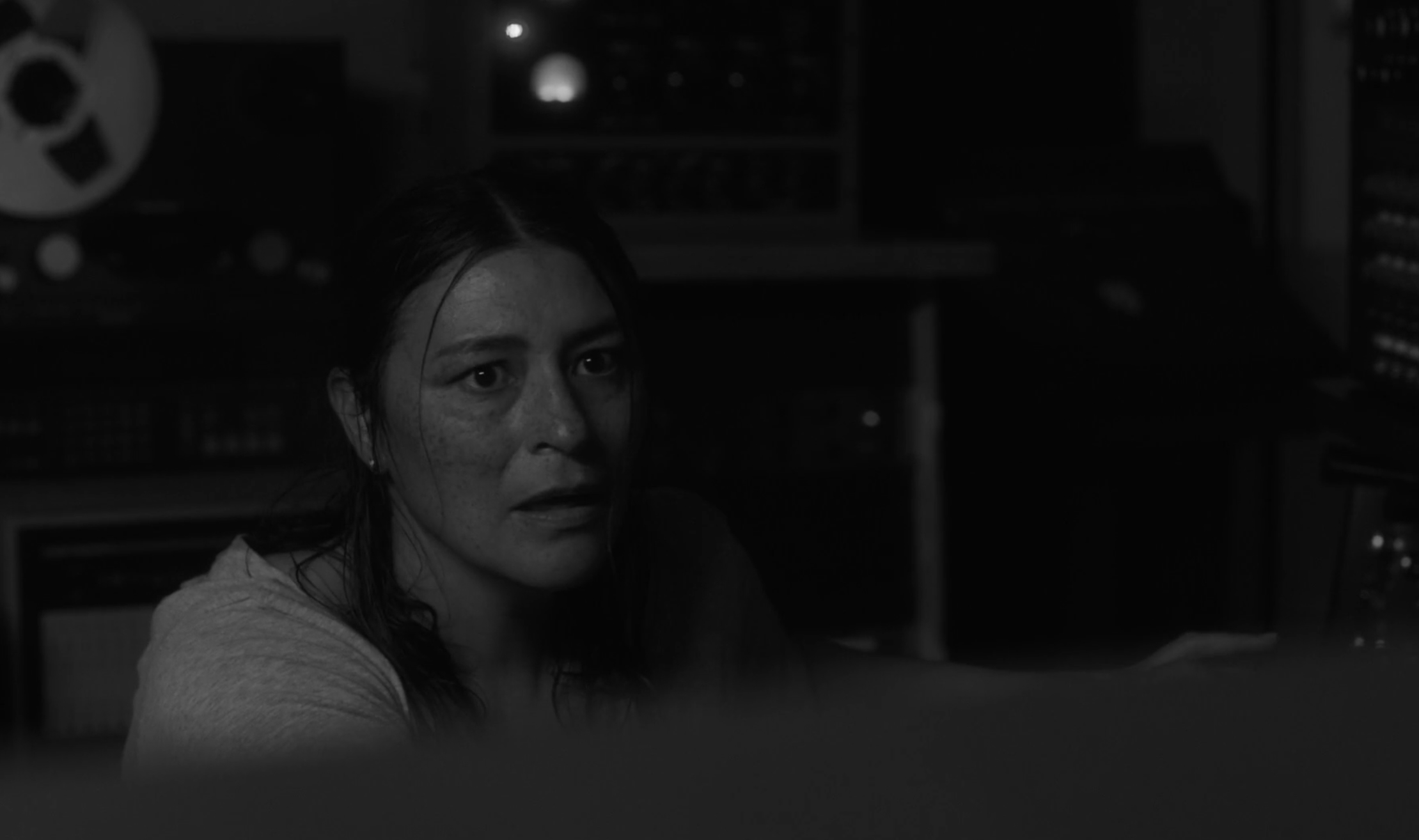
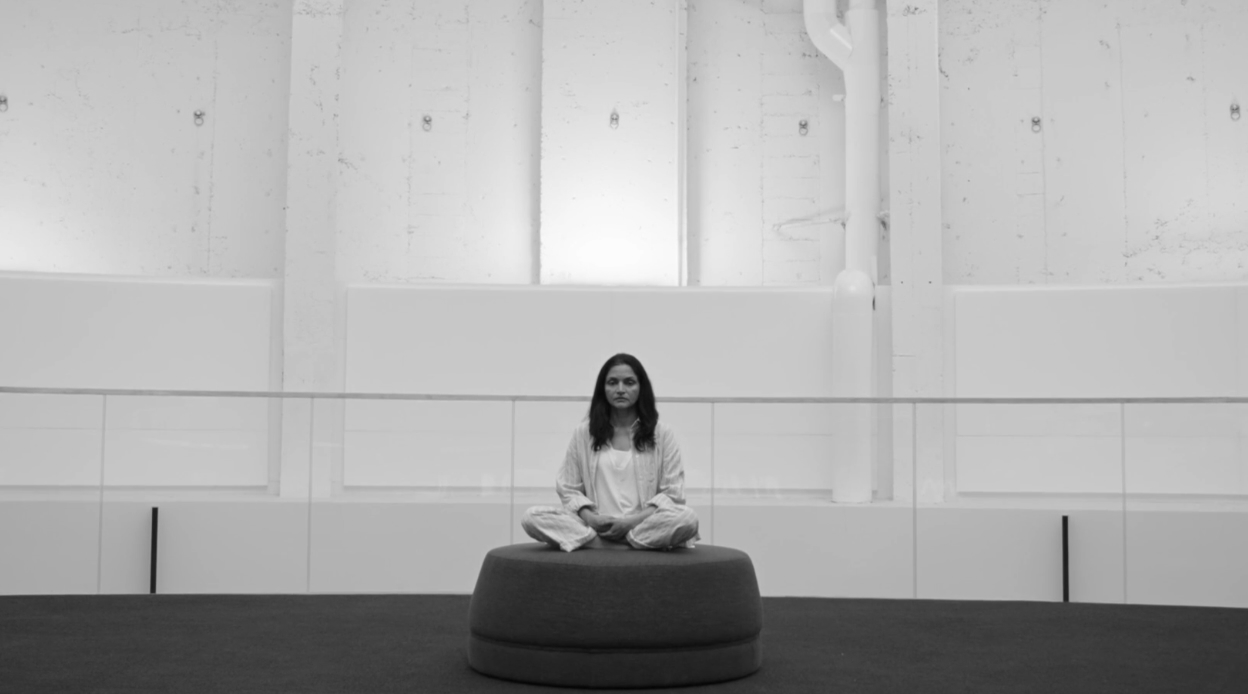

VFC I 2023 |
Poetastr I 2015 (co-creator)


_Amadou.jpg)
.jpg)
_Fragile.jpg)